
10 essential aviation terms every future pilot should master. Learn about altitude, VFR, IFR, ATC, NOTAM and more.
If you're starting out in aviation, there are certain terms you should master from the beginning. Here's a list of 10 essential concepts every future pilot should know.
1. Altitude 📏
It's the vertical distance between an aircraft and a reference point, which can be sea level (absolute altitude) or the terrain it's flying over (relative altitude).
2. VFR and IFR 🌤️☁️
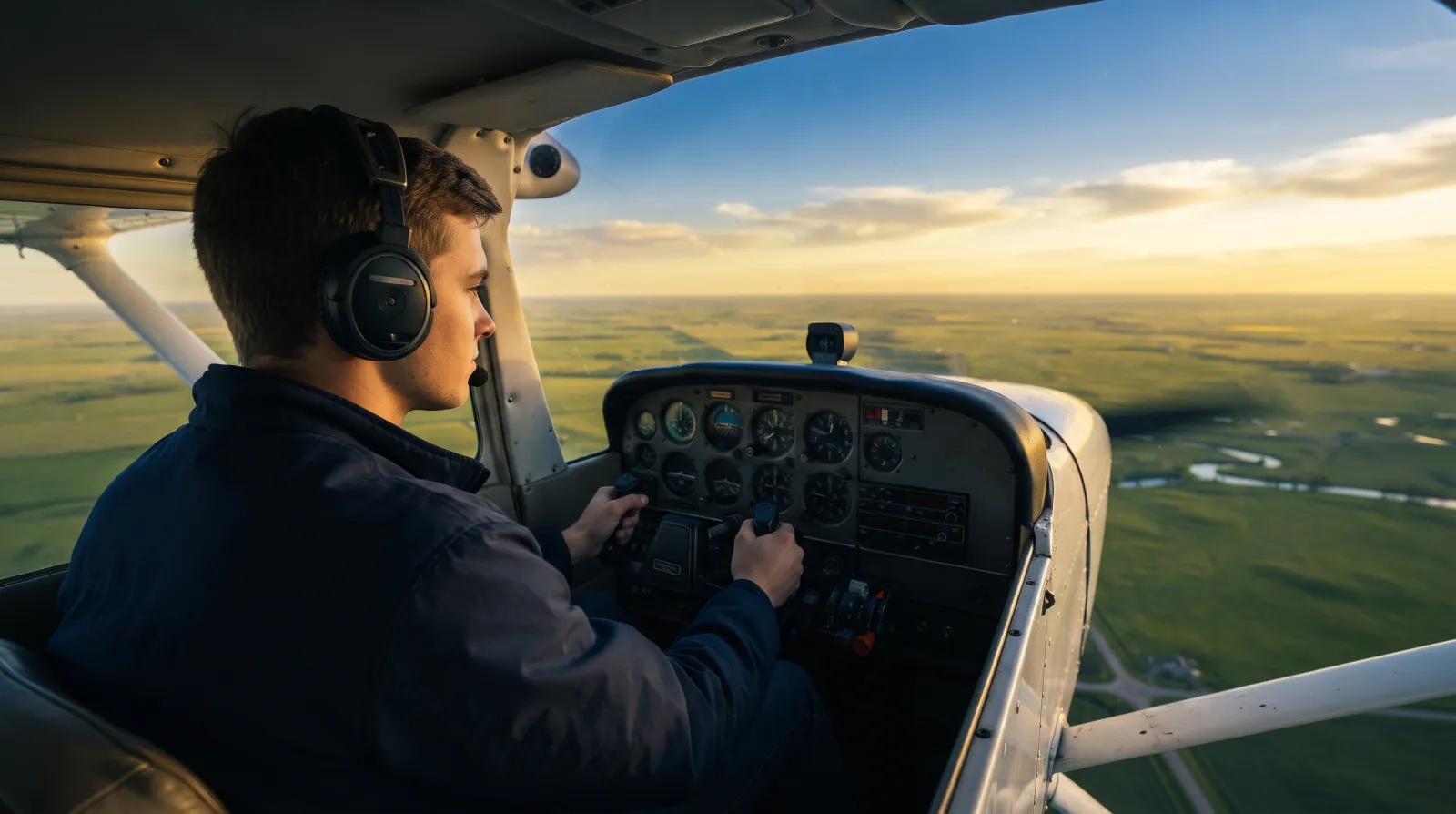
- (Visual Flight Rules): visual flight rules, where the pilot navigates by looking at the horizon and the terrain.
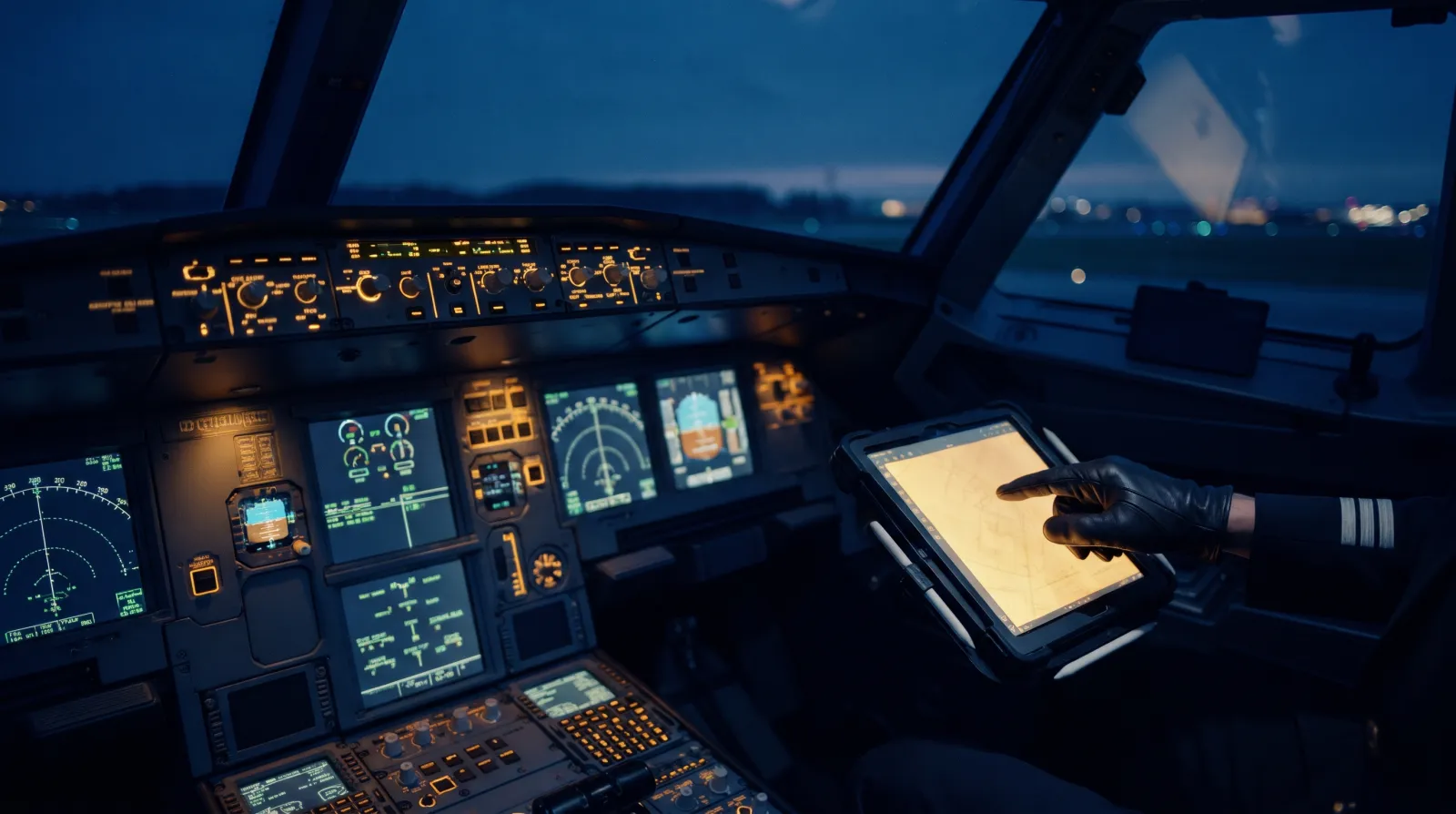
- IFR (Instrument Flight Rules): instrument flight rules, used when weather conditions don't allow visual flight.
3. ATC (Air Traffic Control) 🎧
4. METAR 🌦️
It's an aviation weather report that gives detailed information on conditions at the airport, including visibility, wind, temperature and weather phenomena.
📍 METAR example:
SKBO 121500Z 18010KT 9999 FEW020 24/14 Q1020
📌 Decoded:
Bogotá, day 12, 15:00 UTC, wind from 180° at 10 knots, visibility over 10 km, few clouds at 2,000 feet, temperature 24°C, pressure 1020 hPa.
5. NOTAM (Notice to Airmen) 📢
These are official notices about temporary conditions in airspace, at airports or in air navigation. A NOTAM can indicate runway closures, flight restrictions or work at airports.
6. MTOW (Maximum Takeoff Weight) ⚖️
The maximum takeoff weight is the limit an aircraft can weigh when starting its takeoff run without compromising its safety or performance.
7. Stall 🚨
It happens when an airplane loses lift because of an excessive angle of attack. It's crucial for pilots to recognize and recover from a stall quickly.
8. Transponder and squawk code 🎛️
- Transponder: a device that sends the airplane's information to ATC radar.
- Squawk code: a four-digit code a pilot enters in the transponder for identification.
📍 Examples of squawk codes:
- 7500 - Hijacking
- 7600 - Communications failure
- 7700 - General emergency
9. Holding pattern 🔄
A holding pattern is a circuit aircraft fly when they can't land right away, usually because of airport congestion or bad weather.
10. Airspeed and ground speed 🔄
- Airspeed: the airplane's speed relative to the surrounding air.
- Ground speed: the airplane's actual speed relative to the ground, affected by the wind.
🛫 Ready to learn more and become a pilot?
These are just some of the many terms you'll master during your training at Falcon Aviation School.
📲 Contact us today and take off toward new opportunities!
The sky isn't the limit; it's just the beginning.
Published on March 6, 2025 · Updated on May 4, 2025