Flying is safe: redundant systems, rigorous maintenance and trained pilots. Train at Falcon Aviation and become a professional.
Flying is safer than you think
Many people still feel nervous when boarding a plane. It's normal: we're thousands of meters up, traveling at more than 800 km/h, and it seems incredible that all of it is possible.
The curious thing is that, even though it can cause anxiety, commercial aviation is the safest means of transport in the world.
According to IATA (the International Air Transport Association), the probability of an air accident is 1 in several million flights, while on the road the rates are thousands of times higher.
But what makes flying so safe? The answer is a combination of technology, strict protocols and pilot training. And that's what you learn when you train at Falcon Aviation Academy.
1. Technology that saves lives
Modern aviation relies on systems designed to reduce any risk as much as possible.
- System redundancy: every airplane has many of its critical systems (electrical, hydraulic, navigation) duplicated or even triplicated. If one fails, the other takes over.
- Advanced materials: fuselages and wings are built with ultra-strong alloys and composites that can withstand extreme conditions.
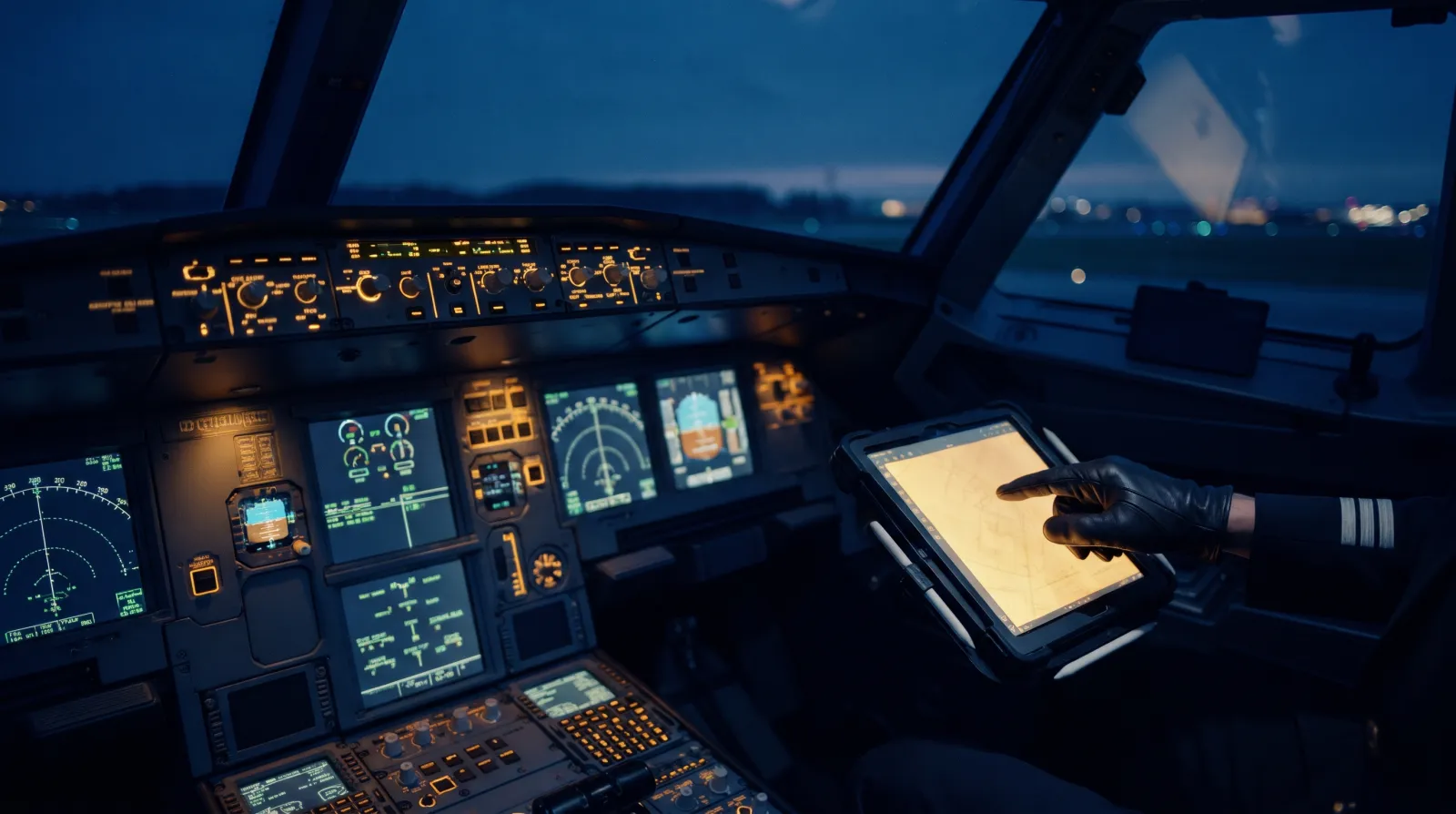
- Onboard sensors and computers: they monitor every aspect of the flight in real time, from cabin pressure to engine condition.
- Satellite navigation and weather radar: they let pilots anticipate storms, turbulence or route deviations, avoiding risky situations.
👉 As an aviation student at Falcon, you learn to master each of these systems from your first simulator sessions.
2. Maintenance: zero margin for error
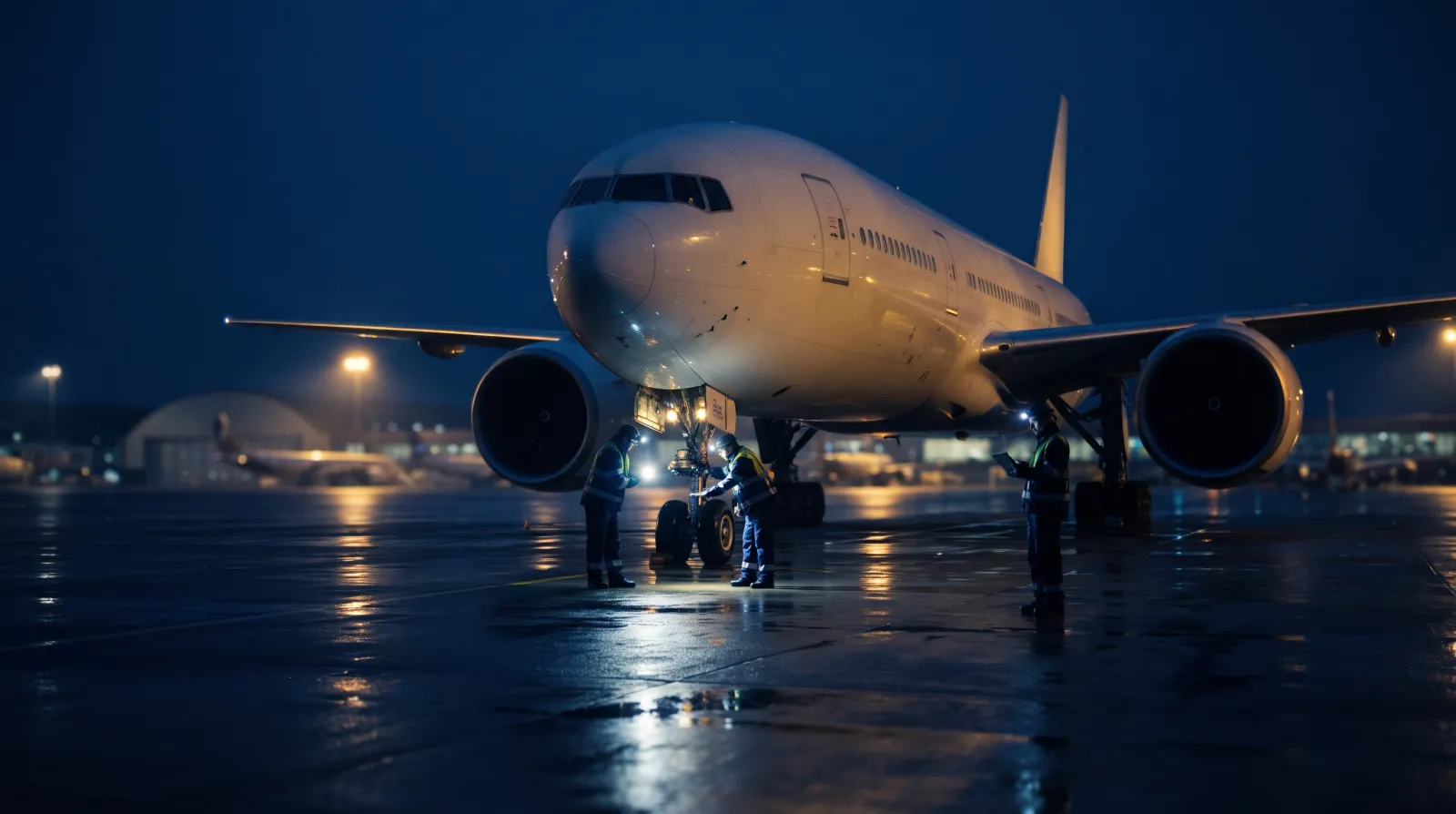
A key difference from other means of transport is the level of inspection and maintenance airplanes go through.
- Inspection before every flight: before takeoff, the pilot does an external walkaround and the technical crew checks that everything is in optimal condition.
- Mandatory periodic checks: there are routine checks called A, B, C and D checks, which vary in depth and are carried out at intervals set by the authorities.
- International regulations: organizations like ICAO, and the Aerocivil in Colombia, impose stricter standards than almost any other transport industry.
👉 At Falcon, our students understand that safety doesn't start in the cockpit, but with respect for the discipline and technical protocol behind every flight.
3. The human factor: the pilots
The technology and maintenance are vital, but the heart of air safety is the pilots.
A pilot doesn't just learn to fly an airplane:
- They must train to make more than 200 decisions in a single flight, from altitude adjustments to route changes.
- They prepare to handle simulated emergencies: severe turbulence, engine failures, sudden weather changes.
- They learn to stay calm under pressure and follow established protocols.
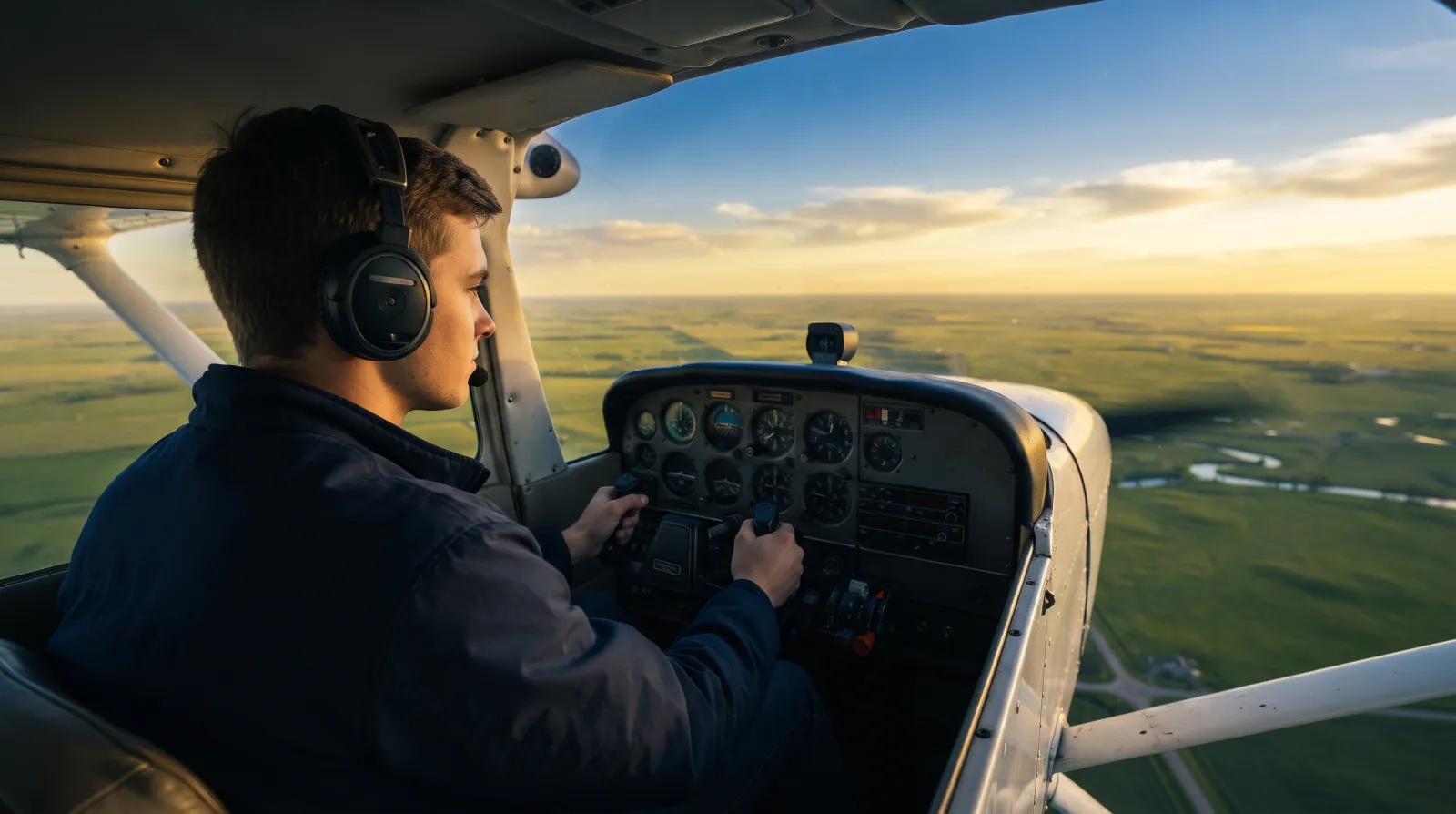
At Falcon Aviation we train our students in a state-of-the-art simulator, where they face critical scenarios from day one, so that when they're in real flight they already have the tools and confidence they need.
4. Statistics that speak for themselves
- According to ICAO, 2022 closed with an accident rate of 1 in every 5 million commercial flights.
- In contrast, the WHO estimates that 1.3 million people die in road accidents every year.
- This means traveling by plane is hundreds of times safer than traveling by car or motorcycle.
👉 And behind those figures are the rigorous preparation of pilots, technological innovation and the safety protocols learned by those who train at academies like Falcon.
5. What you learn as a pilot and apply in your life
Safety isn't just a technical lesson: it also becomes a life skill.
When you study aviation you learn:
- Discipline: following procedures step by step, without skipping anything.
- Quick decision-making: weighing several options and choosing the safest one in seconds.
- Teamwork: coordinating with the crew, the control tower and ground staff.
- Responsibility: understanding that every action affects the safety of hundreds of people.
👉 That's why at Falcon we don't just train pilots; we train professionals ready to lead under pressure.
Conclusion: safety is the essence of being a pilot
Commercial aviation is safe because it's designed to be: smart airplanes, impeccable maintenance and highly trained pilots.
When you train as a pilot, you don't just learn to take off or land an airplane: you learn to live with discipline, precision and responsibility.
And that changes your life forever.
👉 At Falcon Aviation Academy, we train you to the highest safety standards, so you can experience aviation from the inside and become the professional the world needs.
📍 Enrollment open for Private Pilot and Commercial Pilot; write to us.
Published on October 16, 2025